
Minecraft Dungeons 2: How to Get Echo Shards
Find out how to get Echo Shards in Minecraft Dungeons 2, where they fit into enchanting, and what to check before spending them.
FAQ
Where do Echo Shards come from in Minecraft Dungeons 2?
Can I farm Echo Shards in an Ancient City?
Should I upgrade the Enchantsmith or my equipment first?
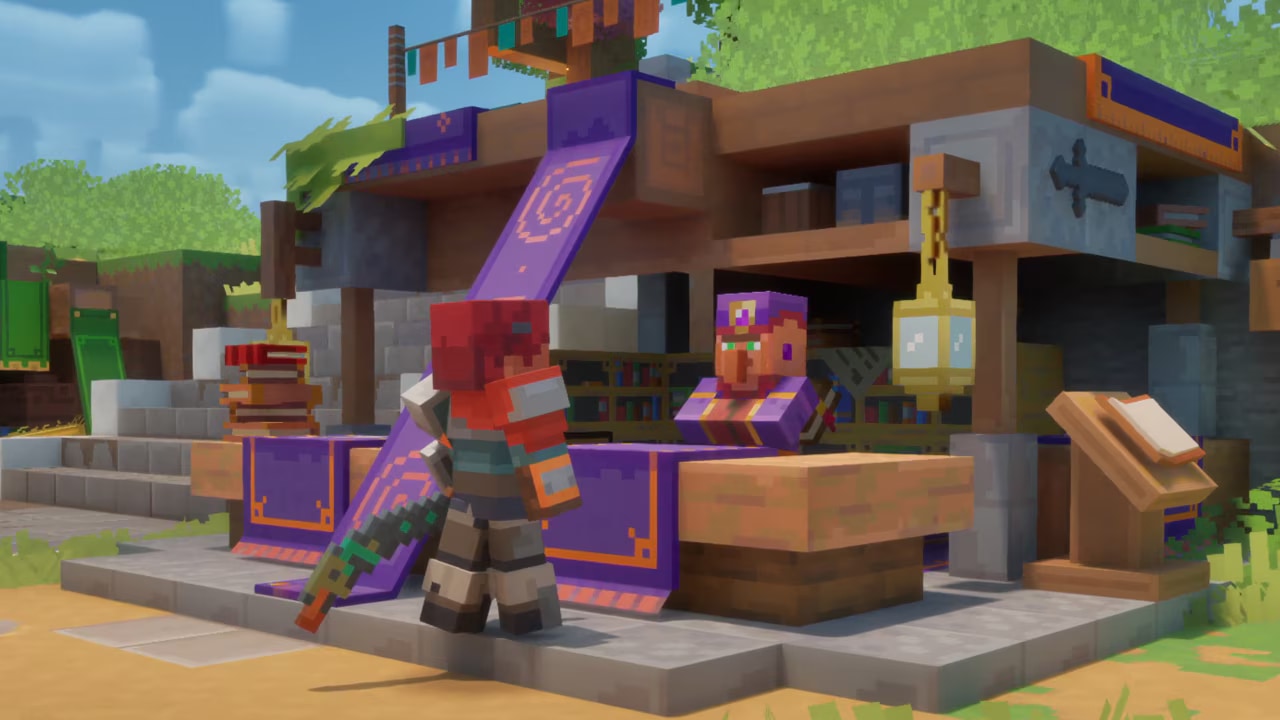

To get Echo Shards in Minecraft Dungeons 2, look for soul-corrupted enemy encounters as your adventure progresses. These enemies are the reported source of the resource. This guide covers a resource-gathering routine for PC and consoles, without inventing a fixed farming location or a guaranteed amount per fight.
What should you do first?
Decide why you need the shards. Inspect the action you want at the Enchantsmith and note its displayed cost. You may be applying or improving an enchantment, or improving the Enchantsmith’s capabilities. These are separate spending decisions.
Check your Enchantment Points at the same time. Gathering more shards will not solve a shortage of a different resource.
How do you gather Echo Shards in Minecraft Dungeons 2?
- Continue the main or side objectives available at your current progression.
- When you encounter soul-corrupted enemies, complete the encounter rather than assuming every ordinary mob uses the same reward pool.
- Collect and inspect the rewards after the fight.
- Compare your Echo Shard balance with the cost you noted.
- Return to the Enchantsmith when you can afford the action you actually want.
This sequence is a way to keep gathering purposeful. It is not a claim that every soul-corrupted enemy drops a shard, that every boss guarantees one, or that repeatedly visiting a named map is the optimal farm.
How should you spend your first shards?
Choose a piece of gear and an effect before spending. An improvement on equipment you plan to replace immediately may not serve your current goal. Compare that choice with any Enchantsmith upgrade shown in the service interface.
The enchanting guide explains the full application flow. The Echo Shards Wiki entry keeps the resource’s role and known boundaries in one place.
How can you compare gathering options without guessing a farm?
Keep a short record of encounters you can already reach. Record the region, game build, difficulty, starting balance, ending balance and approximate time including travel. If you buy an upgrade during the session, record that spending separately; otherwise a smaller final balance can hide the shards you collected.
Compare repeat visits under similar conditions. A single successful encounter is evidence that you obtained shards there, but it does not establish a guaranteed reward or the best yield. Include failed attempts and empty rewards when deciding whether returning is worth your time. This is a way to evaluate your own route, not a published farming benchmark.
Use the map and fast-travel guide to plan a return to a known service. Do not assume a remembered cave layout or temporary rift will be identical on another visit. A difficult detour can cost more time than continuing the objectives you can complete consistently.
What should you buy with a limited shard balance?
Make the spending decision at the service before leaving to gather again.
| Situation | Check before spending | Practical choice |
|---|---|---|
| You expect to replace the item soon | Whether the effect solves an immediate problem | Save shards unless you need the improvement now |
| You like the item but cannot apply the effect | Library, compatibility and points | Solve the missing requirement before gathering extra shards |
| A stronger effect is locked | Whether the merchant improvement enables it | Budget the service improvement and intended effect together |
| Several upgrades are available | The exact benefit of each next level | Choose one specific goal instead of buying every option |
For each intended purchase, subtract your current shard balance from its displayed cost. If a separate merchant improvement is also required, add that cost to the budget. Use the prices on your screen; no universal shard price is established here.
Why did gathering not solve the problem?
First compare your current balance with the action’s current price. If the shard requirement is met, check the other gates: points, the book library, the selected item’s compatibility and the merchant’s available service level. More shards cannot make an incompatible item eligible.
If an encounter gave no visible shards, record that result and check that the reward you inspected was actually an Echo Shard. Do not classify every enemy as soul-corrupted or count an ordinary loot item as this currency. The enemy threat guide helps organize fights, but is not a shard drop table.
Which advice should you avoid?
Do not use Minecraft Java or Bedrock’s Ancient City, Deep Dark or Warden resource advice as a Minecraft Dungeons II route. Shared names across Minecraft games do not establish shared acquisition rules.
No per-hour yield, drop percentage, guaranteed source or best difficulty has been verified for this page. If a video presents one, check that its game, platform and build match yours before following its route.
What supports the Echo Shard acquisition advice?
Reviewed October 10, 2026 against GameSpot’s enchanting guide and Beebom’s Enchantsmith guide. Both report soul-corrupted enemies and enchanting costs. The route log and budget checklist are our recommendations; we have not measured drops or established a fastest farm.
Keep exploring
guides
Minecraft Dungeons 2 Rift Dungeons Guide
Learn how Minecraft Dungeons 2 rift dungeons work, what to prepare, how Sift tides affect a run and when a portal should be treated as temporary.
wiki
Sift Tides — Minecraft Dungeons 2 Wiki
Look up Flow, Thrive and Endure in Minecraft Dungeons 2, including their reported Soul, artifact and enemy effects inside the Sift.
guides
Minecraft Dungeons 2: How to Enchant Gear
Learn how to enchant gear in Minecraft Dungeons 2: unlock the Enchantsmith, use your book library, check resource costs and upgrade effects.